



In today’s heavily regulated commercial setting, risk management has ceased to be a choice. It has become an important aspect of regulatory compliance, efficiency, and growth of the business. Firms working within regulated sectors like pharmaceuticals, medical devices, dietary supplements, cosmetics, food processing, tobacco industry, and others are faced with various risks that may have adverse effects on the quality of their products, consumer safety, and compliance with regulations.
Even the slightest slip into non-compliance, product defects, problems with suppliers or production processes may result in recall actions, warning letters from the authorities, monetary and reputational damages. This is why regulatory bodies like the FDA more and more often require firms to develop and implement risk management plans as a component of their quality management system.
In this article, we will look at the significance of the risk management process, discuss some common risks that affect regulated firms and learn how to establish an effective risk management plan.
What Is Risk Management?
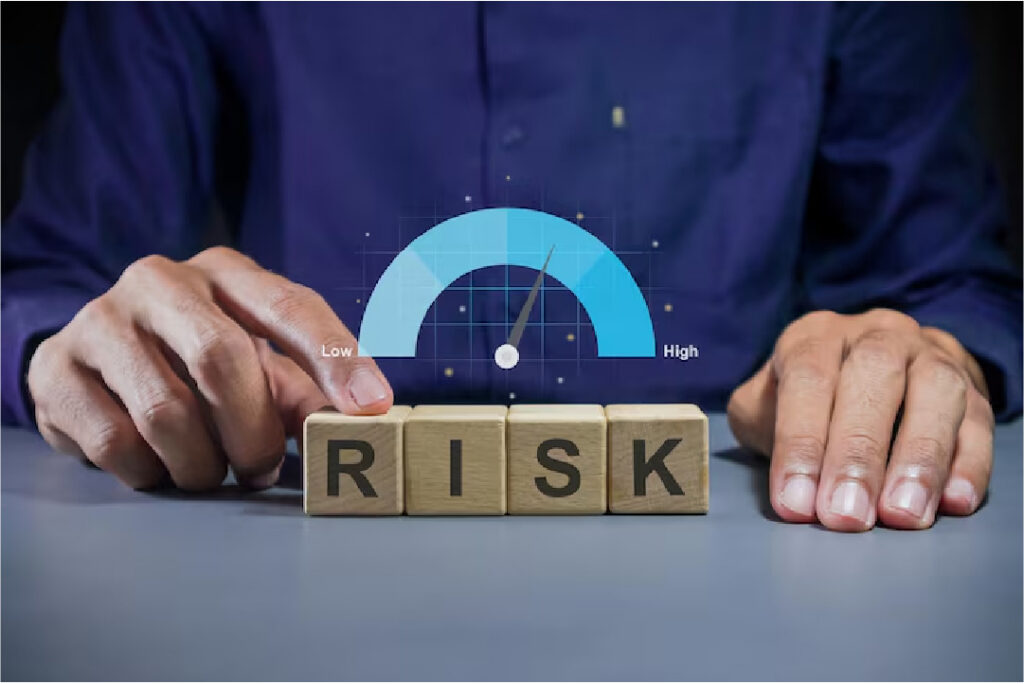
Risk management is the systematic process of identifying, evaluating, controlling, and monitoring potential risks that could negatively impact a company’s operations, products, customers, or regulatory compliance.
The goal is not to eliminate every risk but to understand risks well enough to make informed decisions and reduce their impact.
A structured risk management program helps organizations:
- Improve product quality
- Enhance regulatory compliance
- Reduce operational disruptions
- Protect consumers
- Support business continuity
- Improve decision-making
Risk management is often integrated into Quality Management Systems (QMS) and regulatory compliance programs.
Why Risk Management Matters
Organizations face risks every day, whether they realize it or not.
Protecting Consumer Safety
Regulated products directly impact public health and safety.
Identifying hazards early helps prevent injuries, illnesses, and adverse events.
Maintaining Regulatory Compliance
Regulatory agencies expect companies to proactively manage risks throughout the product lifecycle.
Reducing Financial Losses
Risk management helps prevent costly recalls, lawsuits, product failures, and operational disruptions.
Supporting Business Growth
Companies with mature risk management programs often experience greater stability and stronger customer confidence.
Common Risks Faced by FDA-Regulated Companies
Different industries face different risks, but several challenges are common across most regulated sectors.
Product Quality Risks
Poor manufacturing controls can result in defective products, contamination, or nonconformance.
Examples include:
- Product failures
- Incorrect formulations
- Labeling errors
- Quality deviations
Regulatory Compliance Risks
Failure to comply with regulations may result in:
- FDA Warning Letters
- Form 483 observations
- Product recalls
- Import alerts
Maintaining awareness of evolving regulations is critical.
Supplier Risks
Third-party suppliers can significantly impact quality and compliance.
Potential supplier risks include:
- Material contamination
- Delayed deliveries
- Quality failures
- Inadequate documentation
Strong supplier qualification programs help reduce these risks.
Operational Risks
Internal processes may introduce risks related to:
- Equipment failures
- Human error
- Inadequate training
- Poor documentation
Organizations should regularly evaluate operational vulnerabilities.
Key Components of an Effective Risk Management Program
Successful risk management programs follow a structured approach.
Risk Identification
The first step is identifying potential risks.
Organizations should evaluate:
- Products
- Processes
- Facilities
- Suppliers
- Equipment
- Personnel
Risk identification should occur throughout the product lifecycle.
Risk Assessment
Once risks are identified, they must be evaluated.
Common assessment criteria include:
- Severity
- Probability
- Detectability
This helps organizations prioritize risks based on their potential impact.
Risk Control
Organizations should implement controls designed to reduce risks to acceptable levels.
Examples include:
- Process improvements
- Additional testing
- Supplier audits
- Employee training
- Enhanced monitoring
Risk controls should be documented and regularly reviewed.
Risk Monitoring
Risk management is not a one-time activity.
Organizations should continuously monitor risks to ensure controls remain effective.
Risk Management Tools and Methodologies
Several tools can help organizations evaluate and manage risks effectively.
Failure Mode and Effects Analysis (FMEA)
FMEA identifies potential failure points and evaluates their impact.
This method is commonly used in medical device, pharmaceutical, and manufacturing industries.
Hazard Analysis
Hazard analysis identifies biological, chemical, physical, or operational hazards that may affect product safety.
Risk Matrices
Risk matrices help visualize risk levels and prioritize mitigation efforts.
Root Cause Analysis
Organizations use root cause analysis to investigate incidents and identify underlying causes.
These tools help organizations make data-driven decisions.
Risk Management Throughout the Product Lifecycle
Risk management should be integrated into every stage of a product’s lifecycle.
Product Development
Assess design risks and identify potential hazards before commercialization.
Manufacturing
Evaluate process risks and establish controls that maintain product quality.
Distribution
Assess storage, transportation, and supply chain risks.
Post-Market Activities
Monitor complaints, adverse events, and customer feedback for emerging risks.
A lifecycle approach supports continuous compliance and product improvement.
The Role of Risk Management in Regulatory Compliance
Regulatory agencies increasingly emphasize risk-based approaches to compliance.
FDA Expectations
The FDA expects organizations to identify and manage risks proactively.
ISO 13485
Medical device manufacturers must implement risk management programs as part of their quality systems.
ISO 14971
This standard specifically addresses medical device risk management.
GMP Compliance
Risk management supports GMP requirements across pharmaceuticals, supplements, cosmetics,food, and tobacco products.
Organizations with strong risk management programs often experience better inspection outcomes and fewer compliance issues.
Common Risk Management Mistakes
Many organizations struggle to implement effective risk programs.
Reactive Rather Than Proactive Approaches
Waiting for problems to occur increases risk exposure.
Poor Documentation
Risk assessments and mitigation activities should be documented thoroughly.
Inadequate Employee Involvement
Employees often have valuable insights into operational risks.
Failure to Review Risks Regularly
Risks change over time and require ongoing evaluation.
Avoiding these mistakes strengthens both compliance and operational performance.
Benefits of Strong Risk Management
Organizations that prioritize risk management often experience significant advantages.
Improved Product Quality
Risk controls help prevent defects and inconsistencies.
Enhanced Regulatory Compliance
Proactive risk management supports regulatory expectations.
Reduced Business Disruptions
Organizations can identify and address vulnerabilities before problems occur.
Greater Customer Trust
Consumers value companies that prioritize safety and quality.
Better Decision-Making
Risk-based thinking improves strategic planning and resource allocation.
How JJCC Group Supports Risk Management Programs
Conclusion
The JJCC Group assists regulated companies in creating an effective risk management plan that is suited for the needs of their respective industries.
The services offered by JJCC Group include:
- Risk Assessment
- Regulatory Gap Assessment
- Quality Management Systems
- GMP Programs
- Supplier Audit
- CAPA Programs
- FDA Inspection Preparation
- Product Development Risk Analysis
- Regulatory Compliance Consulting
FAQs
What is risk management?
Risk management is the process of identifying, evaluating, controlling, and monitoring risks that may impact product quality, safety, operations, or regulatory compliance.
Why is risk management important in regulated industries?
It helps protect consumers, improve compliance, reduce operational disruptions, and support business continuity.
What is a risk assessment?
A risk assessment evaluates potential hazards based on their severity, probability, and likelihood of detection.
What industries require risk management programs?
Pharmaceutical, medical device, dietary supplement, cosmetic, food, beverage, and tobacco industries commonly implement risk management systems.
What is FMEA?
Failure Mode and Effects Analysis (FMEA) is a structured methodology used to identify potential failures and evaluate their impact.
How often should risk assessments be reviewed?
Risk assessments should be reviewed regularly and updated whenever significant changes occur.
How can JJCC Group help with risk management?
JJCC Group provides risk assessments, regulatory consulting, supplier audits, quality systems support, CAPA development, and compliance programs tailored to regulated industries.
