


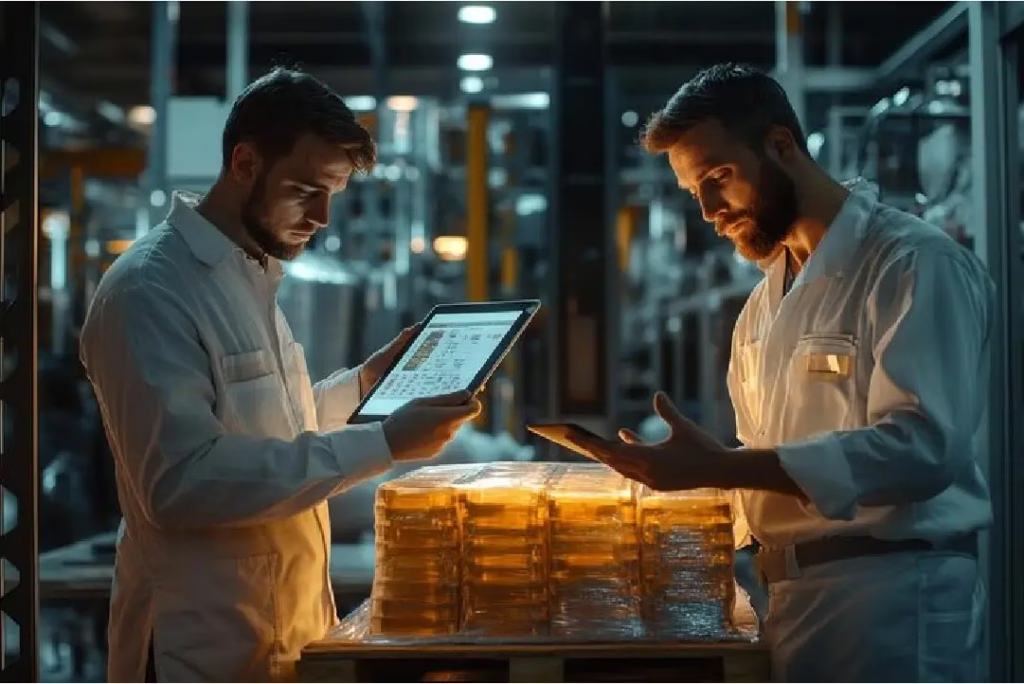
Product quality and consumer safety are essential aspects of highly regulated industries. No matter whether your company produces medications, dietary supplements, medical devices, cosmetic products, foods or tobacco products, consistent high-quality standards are crucial for success.
The most effective framework which supports product quality and compliance with regulatory standards is Good Manufacturing Practices (GMP).
GMP standards give manufacturers a systematic approach to controlling production procedures, maintaining quality standards, and ensuring consistent product production. Companies adopting GMP programs manage not only to comply with regulatory standards, but also increase their operational effectiveness, minimize risks, and enhance customers’ confidence.
In this guide, we will discuss the meaning of GMP compliance, the importance of GMP compliance, and steps for creating an effective GMP program.
What Are Good Manufacturing Practices (GMP)?
GMP is a group of standards, processes, and guidelines created in such a way that ensures all products are manufactured in an adequate manner in accordance with defined quality standards.
GMP standards tend to concentrate more on prevention than detection and resolution of problems associated with products when they reach customers.
GMP standards apply to all aspects of manufacturing and include:
- Employee training
- Facility design
- Machine operation and maintenance
- Document control
- Manufacturing processes control
- Quality control
- Materials control
- Action planning
Why GMP Compliance Is Important
Product quality directly impacts consumer safety, brand reputation, and business success.
Without proper GMP controls, organizations may face:
- Product contamination
- Labeling errors
- Manufacturing inconsistencies
- Product recalls
- Regulatory enforcement actions
- Customer complaints
- Financial losses
GMP compliance helps organizations establish reliable systems that reduce these risks and support long-term business growth.
Industries That Require GMP Compliance
Pharmaceutical Manufacturing
Pharmaceutical companies must comply with FDA Current Good Manufacturing Practices (cGMP) outlined in 21 CFR Part 210 and Part 211.
Dietary Supplements
Supplement manufacturers follow GMP requirements established under 21 CFR Part 111.
Food and Beverage Manufacturing
Food producers implement GMP programs alongside food safety systems such as HACCP and FSMA requirements.
Medical Devices
Medical device manufacturers integrate GMP principles within quality management systems and regulatory frameworks.
Cosmetic Manufacturing
Cosmetic companies increasingly rely on GMP programs to support compliance with evolving regulations such as MoCRA.
Core Elements of an Effective GMP Program
Personnel Training
Employees are one of the most important components of GMP compliance.
Personnel should receive ongoing training on:
- GMP requirements
- Documentation practices
- Hygiene procedures
- Equipment operation
- Quality standards
- Regulatory expectations
Well-trained employees help reduce errors and improve consistency across operations.
Documentation Control
A common phrase in regulated industries is:
“If it isn’t documented, it didn’t happen.”
Documentation serves as evidence that processes were performed correctly.
Important GMP documents include:
- Standard Operating Procedures (SOPs)
- Batch records
- Training records
- Validation reports
- Equipment logs
- Audit reports
Proper document control ensures information remains accurate, current, and accessible.
Facility and Equipment Management
Manufacturing environments must support product quality and safety.
Facilities should be designed to:
- Prevent contamination
- Support workflow efficiency
- Control environmental conditions
- Enable effective cleaning and maintenance
Equipment must be properly:
- Qualified
- Calibrated
- Maintained
- Validated
Routine monitoring helps ensure equipment continues operating as intended.
Production Process Controls
Every manufacturing process should follow established procedures that promote consistency and quality.
Process controls help organizations:
- Reduce variability
- Prevent defects
- Improve efficiency
- Maintain product specifications
Process validation is often used to demonstrate that manufacturing activities consistently produce acceptable results.
Quality Management Systems and GMP
A Quality Management System (QMS) provides the foundation for GMP compliance.
An effective QMS typically includes:
Change Control
Managing changes to equipment, processes, materials, or documentation.
CAPA Programs
Corrective and Preventive Action systems help identify root causes and prevent recurring issues.
Internal Audits
Regular audits evaluate compliance and identify improvement opportunities.
Risk Management
Organizations assess and mitigate risks that may impact product quality or regulatory compliance.
Together, these systems support continuous improvement and regulatory readiness.
Common GMP Compliance Challenges
Many organizations struggle with GMP implementation due to limited resources or inadequate systems.
Common challenges include:
Incomplete Documentation
Missing or inaccurate records frequently lead to regulatory observations.
Inadequate Employee Training
Employees who do not fully understand GMP requirements may unintentionally create compliance risks.
Poor Change Management
Uncontrolled changes can negatively impact product quality and regulatory compliance.
Lack of Audit Readiness
Organizations that wait until an inspection occurs often discover compliance gaps too late.
Proactive GMP programs help address these issues before they become major problems.
Preparing for GMP Inspections
Regulatory inspections evaluate whether organizations maintain effective GMP controls.
Preparation should include:
Conducting Mock Audits
Mock inspections identify weaknesses before regulators arrive.
Reviewing Documentation
All records should be accurate, complete, and easily accessible.
Training Employees
Staff should understand their responsibilities and be prepared to answer inspector questions.
Evaluating CAPA Systems
Organizations should ensure corrective actions are properly documented and effective.
Companies that maintain inspection readiness throughout the year generally perform better during regulatory visits.
Benefits of Strong GMP Compliance
Organizations that invest in GMP compliance often experience significant benefits.
Improved Product Quality
Consistent manufacturing processes result in more reliable products.
Increased Customer Confidence
Customers trust organizations that prioritize quality and regulatory compliance.
Reduced Operational Risk
Well-designed systems prevent errors, contamination, and product failures.
Better Regulatory Outcomes
Strong GMP programs support successful inspections and reduce enforcement risks.
Enhanced Business Growth
Compliance often becomes a competitive advantage when entering new markets or working with strategic partners.
How JJCC Group Supports GMP Compliance
JJCC Group helps regulated businesses establish, improve, and maintain GMP-compliant operations.
Their services include:
- GMP gap assessments
- SOP development
- Quality Management Systems
- CAPA implementation
- Employee training
- Mock FDA inspections
- Audit readiness programs
- Validation support
- Regulatory compliance consulting
With decades of industry experience, JJCC Group helps organizations build sustainable quality systems that support both compliance and growth.
Conclusion
Good Manufacturing Practices are the foundation of quality, compliance, and safety.
Firms that adopt GMPs successfully minimize their risks, streamline their operations, and enhance their ability to compete in highly regulated industries.
No matter whether your firm needs a start-up, process improvement, or FDA compliance, implementing Good Manufacturing Practices is one of the most significant actions you can do.
FAQs
What are Good Manufacturing Practices (GMP)?
GMP refers to a system of regulations and procedures that ensure products are consistently manufactured according to established quality standards.
Why is GMP compliance important?
GMP helps protect consumers, maintain product quality, reduce compliance risks, and support regulatory requirements.
Which industries require GMP compliance?
Pharmaceutical, dietary supplement, food, beverage, cosmetic, medical device, and tobacco industries commonly implement GMP programs.
What is the difference between GMP and cGMP?
Current Good Manufacturing Practices (cGMP) emphasize using modern systems, technologies, and continuous improvement methods to maintain compliance.
How often should GMP training occur?
Organizations should provide initial training and ongoing refresher training to ensure employees remain current on GMP requirements.
What documents are required for GMP compliance?
Common documents include SOPs, batch records, training records, validation reports, audit reports, and equipment maintenance logs.
How can companies prepare for GMP inspections?
Conducting mock audits, reviewing documentation, training employees, and maintaining strong quality systems are key preparation strategies.
