


TL;DR: Understanding FDA food labeling regulations is essential for businesses that manufacture, package, or sell food products in the United States. This blog explains the key labeling requirements established by the Food and Drug Administration and highlights how proper compliance can help companies avoid costly mistakes, delays, and regulatory issues.
- Learn the core components required on food labels, including the Nutrition Facts panel and ingredient declarations.
- Understand the purpose of FDA regulations for food labeling and how they protect consumers.
- Discover common compliance considerations related to nutrition information and allergen disclosures.
- Explore the role of labeling reviews within broader food manufacturing quality and compliance programs.
- See how JJCC helps businesses develop compliant labeling strategies and prepare food products for successful market entry.
Bringing food products to market involves much more than developing a great recipe or sourcing quality ingredients. Businesses must also comply with strict labeling requirements designed to protect consumers and provide accurate product information. Understanding FDA food labeling regulations can help companies avoid costly mistakes, reduce regulatory risks, and build consumer trust.
For food manufacturers, labeling is often one of the final steps before a product launch, but it should be considered early in the development process. The Food and Drug Administration (FDA) has specific requirements governing what information must appear on product packaging and how that information is presented.
Understanding FDA Food Labeling Requirements
The purpose of FDA regulations for food labeling is to ensure consumers receive clear, accurate, and consistent information about the foods they purchase. Labels help consumers compare products, identify allergens, and make informed dietary choices.
Most packaged food products sold in the United States must include several key elements:
- Product identity or statement of identity
- Net quantity of contents
- Manufacturer, packer, or distributor information
- Ingredient list
- Allergen declarations
- Nutrition Facts label
Failure to include required information or presenting inaccurate information can result in regulatory action, product recalls, or delays in bringing products to market.
The Importance of the Nutrition Facts Label
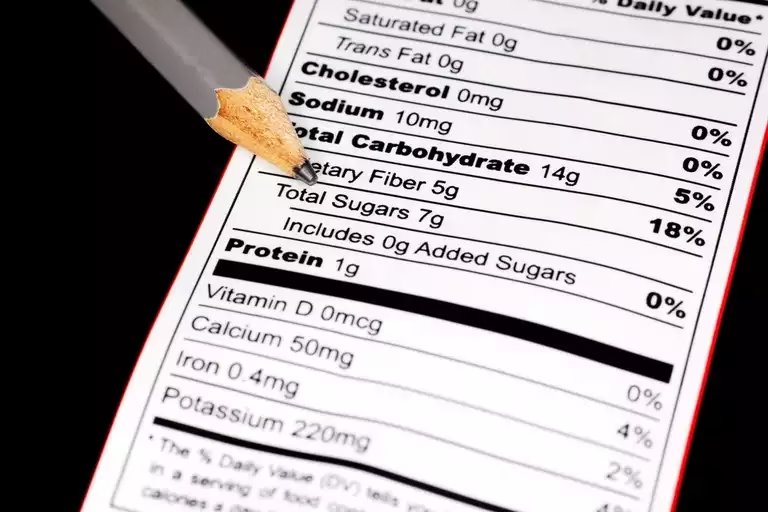
One of the most recognizable components of food packaging is the Nutrition Facts label. This section provides consumers with essential nutrition information, including serving size, calories, and nutrient content.
The FDA has specific formatting requirements for the Nutrition Facts panel, including font size, layout, and mandatory nutrient disclosures. Businesses must ensure that the values presented are supported by accurate product testing or reliable nutritional calculations.
Even minor errors in a Nutrition Facts label can create compliance issues, making professional review and verification an important part of the labeling process.
Building an Accurate Ingredient List
The ingredient list is another critical component of compliant food labeling. Ingredients must generally be listed in descending order by weight, ensuring transparency for consumers.
Food manufacturers must also pay close attention to allergen labeling requirements. Ingredients derived from major food allergens must be clearly identified according to FDA guidelines.
Accurate ingredient declarations become especially important when products are reformulated, suppliers change, or new ingredients are introduced. Regular label reviews can help businesses maintain compliance as products evolve.
Food Labeling and Food Manufacturing Compliance
For companies involved in food manufacturing, labeling compliance should be integrated into broader quality and regulatory programs. Label reviews should occur alongside product development, packaging design, and quality assurance processes.
A proactive approach helps identify potential issues before products reach store shelves. It can also prevent costly packaging reprints, shipment delays, and regulatory challenges.
How JJCC Can Help
Navigating FDA food labeling regulations can be complex, especially for growing businesses entering the U.S. market. JJCC helps companies understand applicable requirements, develop compliant labeling strategies, and review packaging before launch.
From evaluating nutrition information to verifying an ingredient list and ensuring compliance with FDA regulations for food labeling, our team provides practical guidance that helps businesses move forward with confidence. By addressing compliance early, companies can focus on growth while reducing regulatory risk and positioning their food products for long-term success.
