
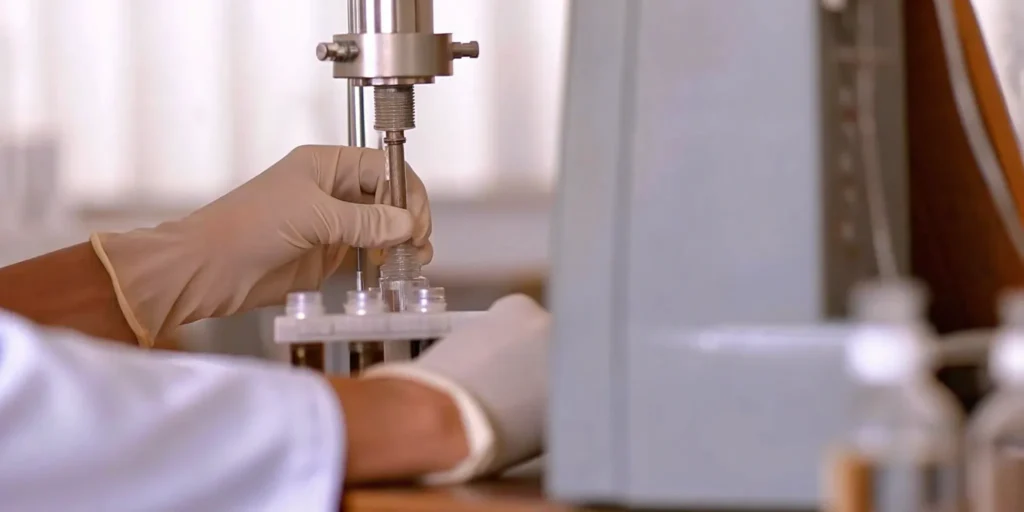
Your manufacturing process looks perfect on paper. The science is solid, and your small-scale runs were a success. But how do you prove it will work flawlessly at full scale? This is where Process Performance Qualification (PPQ) comes in. It’s the final, critical test that confirms your process is ready for routine production. This stage provides the hard data and documented evidence needed to show your manufacturing is reproducible, effective, and ready to deliver a consistent, high-quality product, batch after batch.
Key Takeaways
- Confirm Your Process is Ready for Market: PPQ is the final, documented step to prove your manufacturing process consistently creates a quality product at scale. It’s the essential evidence regulators need to see before you begin commercial distribution.
- Build Your Strategy on a Solid Protocol: Your entire PPQ effort depends on a detailed protocol and a science-based risk assessment. Use this plan to justify key decisions, like the number of batches, and to ensure your documentation provides a clear, defensible record of your validation.
- Plan Beyond the PPQ Batches: Successful PPQ runs are not the finish line; they are the transition to Continued Process Verification (CPV). Use the data you gather to establish a long-term monitoring plan that ensures your process remains in a state of control for the entire product lifecycle.
What is Process Performance Qualification (PPQ)?
Think of Process Performance Qualification (PPQ) as the final dress rehearsal before your product’s debut. It’s the documented evidence proving your manufacturing process can consistently produce a product that meets all its quality standards. Before scaling up, you need to demonstrate that your process works as intended, not just once, but repeatedly. This isn’t just about ticking a box for regulators; it’s about building a robust, reliable system that confirms your process design is sound and that you have control over variables that could impact the final product.
Understanding the ‘Why’ Behind PPQ
At its core, the purpose of PPQ is to confirm and document that your manufacturing process is capable of reproducible commercial manufacturing. It’s a systematic approach to collecting and analyzing data from a series of production batches to show they all meet predetermined quality attributes. Essentially, you’re proving the process will consistently yield a quality product under normal operating conditions. This comprehensive demonstration of control provides the ultimate assurance that your process is effective and ready for routine production, giving both your team and regulators the confidence needed to move forward.
Why PPQ is Crucial for Pharma Manufacturing
In the pharmaceutical world, consistency isn’t just a goal—it’s a requirement. PPQ is a key step because it directly ensures the reliability and uniformity of your products, which is fundamental to patient safety. The significance of PPQ lies in its ability to help you identify and control variability that could otherwise compromise product quality. By successfully completing this stage, you demonstrate a deep understanding of your manufacturing process and prove you have the controls in place to manage it effectively. This minimizes risks and prevents costly recalls.
Where Does PPQ Fit in the Process Validation Lifecycle?
PPQ doesn’t happen in a vacuum. It’s a specific part of the broader process validation lifecycle, which is typically broken into three stages: Process Design, Process Qualification, and Continued Process Verification. PPQ is the main event in Stage 2, where you test the manufacturing process to confirm it works as designed. It follows the successful qualification of your facility and equipment. Understanding where PPQ fits helps you map out your validation strategy and ensures you’re following the logical, science-based approach regulators expect.
Breaking Down the 3 Stages of Process Validation
Process validation isn’t a one-and-done event; it’s a lifecycle approach that the FDA outlines in three distinct stages. Think of it as building, testing, and maintaining a high-performance machine. Each stage builds on the last, creating a robust framework that ensures your manufacturing process is reliable, repeatable, and consistently produces a quality product. This lifecycle approach moves away from the old-school mentality of simply running a few successful batches and calling it a day. Instead, it integrates quality assurance into your entire production journey, from the initial design sketches to routine commercial manufacturing.
Understanding these three stages is fundamental because it shows exactly how Process Performance Qualification (PPQ) fits into the bigger picture of regulatory compliance and product quality. It’s the framework that supports everything you do to bring a safe and effective product to market. By following this structured path, you create a deep understanding of your process, identify potential risks early on, and establish the controls needed to manage them effectively. This isn’t just about checking a box for the FDA; it’s about building a resilient and predictable manufacturing operation that you can count on, batch after batch.
Stage 1: Start with a Solid Process Design
This is your blueprint phase. Before you even think about large-scale production, you need to define and design a process capable of consistently delivering a quality product. Stage 1 is all about gathering knowledge and understanding your product and process inside and out. You’ll use insights from your research and development activities—what you learned during small-scale lab work and pilot batches—to build a solid manufacturing plan. The goal here is to establish a process that can be controlled to meet all critical quality attributes. This involves identifying potential sources of variability and establishing a strategy to manage them, ensuring your commercial manufacturing process is built on a strong scientific foundation from the very beginning.
The Importance of Process Characterization
Process characterization is where you become the ultimate expert on your own manufacturing process. It’s the deep-dive investigation to identify which process inputs have the biggest impact on your final product. Think of it as mapping out every twist and turn of your production journey to understand how variables like temperature, pressure, or mixing speed affect your product’s critical quality attributes. This isn’t just about following a recipe; it’s about understanding the science behind it. By thoroughly characterizing your process, you build a robust operational framework that can handle normal variability, ensuring you can consistently produce a quality product long before you ever start your official PPQ batches.
Using Small-Scale Models to Define Operating Limits
Before you commit to full-scale manufacturing, you need to define your operational playground—and you do that using small-scale models. These lab or pilot-scale versions of your process allow you to experiment without the massive cost and risk of using your commercial equipment. Here, you can safely push the boundaries to identify your operating limits and establish a proven acceptable range for each critical process parameter. For each step, you’ll figure out all the important settings that affect the product’s quality. This is your chance to run numerous tests, gather data, and truly understand the relationship between your process inputs and product outputs. These early experiments don’t need to follow strict Good Manufacturing Practices (GMP), giving you the flexibility to learn and refine your control strategy.
Stage 2: Qualify Your Process (Hello, PPQ!)
Welcome to the main event. Stage 2 is where you confirm that the process you designed in Stage 1 works as intended under normal manufacturing conditions. And this is precisely where Process Performance Qualification (PPQ) comes into play. During PPQ, you execute the manufacturing process using commercial-scale equipment and facilities to demonstrate it’s capable of reproducible performance. You’re essentially proving that your blueprint works in the real world. This stage involves running a predetermined number of successful batches to show that the process is robust and consistently yields a product that meets all its quality specifications. It’s the critical link between development and routine production, providing the documented evidence regulators need to see.
Stage 3: Keep Verifying Your Process
Validation doesn’t end once you’ve successfully completed your PPQ batches. Stage 3, often called Continued Process Verification (CPV), is an ongoing commitment to ensuring your process remains in a state of control throughout the product’s entire lifecycle. During routine production, you’ll continuously monitor process parameters and material attributes to make sure everything is operating as expected. This ongoing verification provides real-time assurance that your process remains stable and reliable. If any unexpected variability or issues arise, your CPV program will help you detect them quickly, allowing you to implement corrective actions and maintain the integrity of your quality management system.
Why Is PPQ So Important for Pharma Manufacturers?
Think of Process Performance Qualification (PPQ) as more than just a regulatory hurdle; it’s the foundation of a successful and sustainable manufacturing operation. It’s the final, documented proof that your process consistently produces a quality product before you go to market. Getting PPQ right is essential for ensuring product quality, meeting strict compliance standards, protecting patient safety, and confidently scaling up for commercial production. Let’s break down why this stage is so critical.
Maintain Consistent Product Quality
At its core, PPQ is all about consistency. It’s the step where you demonstrate that your manufacturing process can reliably and repeatedly produce a drug that meets all its quality specifications. This isn’t about a single successful run in a lab; it’s about proving your process is robust enough for the real world. A successful PPQ study confirms that you have control over your process variables, ensuring that every batch has the same identity, strength, and purity. This commitment to quality is fundamental to building trust with both regulators and patients, as it guarantees that the product they receive is the same every single time.
Meet Regulatory Compliance with Confidence
For regulatory bodies like the FDA, PPQ is non-negotiable. It is a required component of the overall Process Validation lifecycle and a key area of focus during inspections. The FDA expects manufacturers to provide a scientifically sound justification for their PPQ protocol, including the number of batches run. Failing to execute a proper PPQ can result in warning letters, costly delays in product approval, or even recalls. Following the FDA’s guidance on Process Validation isn’t just about checking a box; it’s about demonstrating a state of control over your manufacturing process, which is a cornerstone of cGMP (Current Good Manufacturing Practice).
Reduce Risk and Protect Patient Safety
Ultimately, the goal of any pharmaceutical product is to help patients. PPQ plays a direct role in patient safety by minimizing the risk of a defective product reaching the market. By identifying and controlling potential sources of variability during the PPQ stage, you can prevent issues that could impact the product’s safety and efficacy. This proactive approach is far better than reacting to a problem after a product has been distributed. A well-designed PPQ program acts as a critical safety check, ensuring that the manufacturing process is stable and predictable, which directly translates to a safer and more reliable product for the end-user.
Get Ready for Commercial Manufacturing
A successful PPQ is your green light for full-scale commercial production. It provides the data and confidence you need to know that your process is ready to be scaled up without compromising product quality. This stage confirms that the process design is sound and that your commercial manufacturing operations will perform as expected. Moving into commercial manufacturing without this assurance is a significant business risk. By completing your PPQ, you validate your investment in process development and establish a reliable baseline for continuous process verification throughout the product’s lifecycle, setting your product up for long-term success.
Understanding the Regulatory Rules for PPQ
Process Performance Qualification isn’t just a best practice; it’s a firm requirement from regulatory bodies around the world. Think of these regulations not as obstacles, but as a clear roadmap to ensure your manufacturing process is sound, safe, and effective. Getting this right is fundamental to gaining market approval and maintaining it long-term.
Major agencies like the U.S. Food and Drug Administration (FDA) and the European Medicines Agency (EMA) have established clear expectations for process validation. While their terminology and specific documents may differ slightly, their core objective is identical: to verify that a manufacturing process consistently produces a quality product. These requirements are further supported by a set of internationally recognized principles that guide everything from product development to quality management. From the initial protocol to the final report, every step is guided by a regulatory framework designed to protect patient safety and ensure product integrity.
What the FDA Guidance Says About Process Performance Qualification
In the eyes of the FDA, PPQ is the critical second stage of the overall process validation lifecycle. The agency’s official guidance on process validation makes it clear that manufacturers must demonstrate their process works as intended before commercial distribution begins. A key expectation is that you provide a scientific and risk-based justification for your approach, especially when determining the number of PPQ batches to run. There isn’t a one-size-fits-all answer; the FDA wants to see that you’ve made a rational decision based on your deep product knowledge and process understanding. This puts the responsibility on you to prove your process is under control.
Staying Aligned with EMA Standards
If you plan to market your product in Europe, you’ll need to meet the standards set by the European Medicines Agency. The good news is that the EMA’s requirements are very much in harmony with the FDA’s. Both agencies are focused on the same outcome: confirming that the manufacturing process consistently yields a product that meets its pre-determined quality attributes. This alignment is incredibly helpful for companies operating on a global scale. A well-designed and thoroughly executed PPQ program can often satisfy the requirements of multiple regulatory bodies, streamlining your path to different markets. The goal is universal, even if the paperwork has regional differences.
How to Apply ICH Q8, Q9, and Q10 Principles
The International Council for Harmonisation (ICH) provides the foundational principles that underpin modern pharmaceutical quality systems. These guidelines are essential for a successful PPQ program. Think of them this way:
- ICH Q8 (Pharmaceutical Development) is about designing quality into the product from the very beginning.
- ICH Q9 (Quality Risk Management) provides a framework for identifying, analyzing, and mitigating potential risks in your process.
- ICH Q10 (Pharmaceutical Quality System) describes the overarching system that integrates all these elements.
Together, these ICH quality guidelines encourage a proactive, science-based approach to manufacturing, ensuring your PPQ is built on a solid foundation of quality and risk management.
Nailing Your Documentation and Reporting
If it isn’t documented, it didn’t happen. This is especially true for PPQ. Your entire effort must be framed by two key documents: the protocol and the report. The PPQ protocol is your plan of action, detailing the manufacturing conditions, controls, testing parameters, and acceptance criteria. It must be reviewed and formally approved by all relevant departments, including Quality Assurance, before you begin. Once the batches are complete, you’ll compile a final report. This document summarizes all the data, analyzes the results, explains any unexpected deviations, and ultimately concludes whether the process is validated and ready for routine manufacturing. Meticulous documentation is non-negotiable.
Prerequisites and Preparation for PPQ
Jumping into your Process Performance Qualification batches without laying the proper groundwork is like trying to build a house without a foundation. It’s a recipe for failure that can lead to costly delays and regulatory headaches. PPQ is the culmination of your process development and qualification efforts, not the starting line. Before you even think about running your first batch, you need to ensure that every piece of the puzzle is in place. This means having a finalized strategy, qualified equipment, fully trained staff, and a compliant environment ready to go. Proper preparation is what transforms PPQ from a high-stakes gamble into a confident confirmation of your process capability.
Finalize Your Process Control Strategy
Your process control strategy is the master plan for your entire PPQ effort. This isn’t just a document you write and file away; it’s a living blueprint built on a science-based risk assessment that defines your critical process parameters and quality attributes. This strategy must be detailed in a formal PPQ protocol that outlines everything from the number of batches you’ll run to the specific sampling plans and acceptance criteria you’ll use. Your protocol serves as the scientific justification for your approach, giving you a clear and defensible record of your validation. Getting this document right is essential, as it provides the clear instructions and rationale that will guide your team and satisfy regulators.
Qualify Equipment, Utilities, and Testing Methods
You can’t prove your process is reliable if the equipment you’re using isn’t. Before starting PPQ, you must confirm that all manufacturing equipment and facility utilities—like your HVAC and water systems—have been fully qualified. This typically involves completing Installation Qualification (IQ), Operational Qualification (OQ), and Performance Qualification (PQ) to demonstrate that everything is installed correctly, operates as intended, and performs reliably under load. Just as important, the analytical methods you’ll use to test the product must also be validated. This ensures that the data you collect during your PPQ runs is accurate and trustworthy, providing a solid foundation for your final conclusions.
Complete Supporting Validation Studies
Process Performance Qualification doesn’t exist in a silo. It’s supported by a range of other validation activities that must be completed beforehand to ensure the overall manufacturing environment is in a state of control. For example, you need to have completed your cleaning validation to prove that your equipment can be effectively cleaned between batches, preventing cross-contamination. Other critical studies might include container closure integrity testing or shipping validation, depending on your product. Completing these supporting studies first allows you to isolate the manufacturing process during PPQ, ensuring that any variability you observe is from the process itself and not from an uncontrolled external factor.
Ensure GMP Compliance and Staff Training
Your PPQ batches are meant to simulate routine commercial production, which means they must be run in a facility that is fully compliant with Current Good Manufacturing Practices (cGMP). This includes everything from material handling and environmental monitoring to documentation practices. Furthermore, every person involved in executing the PPQ batches must be thoroughly trained on the specific manufacturing process and their individual responsibilities. This ensures that the process is performed consistently and correctly, just as it would be during normal production. Proper training and a strong cGMP environment are non-negotiable prerequisites for generating meaningful and compliant PPQ data.
How to Overcome Common PPQ Challenges
Process Performance Qualification can feel like the final exam of process validation. It’s where all your development work, process understanding, and planning are put to the test. Naturally, this stage comes with its own set of hurdles. From managing complex variables to juggling tight timelines, the challenges are real—but they are absolutely manageable. The key is to anticipate these common issues and build a strategy to address them head-on. With the right approach, you can move through your PPQ runs smoothly, generate the data you need, and confidently prepare for commercial manufacturing. Let’s walk through some of the most frequent challenges and how you can solve them.
Managing Complex Processes and Variable Parameters
Modern manufacturing processes are rarely simple. You’re often dealing with multiple variables that can influence your final product, and PPQ requires you to show that your process remains consistent even when these parameters fluctuate within their normal operating ranges. The goal is to prove your process is robust. To do this effectively, you need a deep understanding of which parameters are most critical. Before you even begin your PPQ runs, a thorough process characterization study is essential. This helps you identify critical process parameters (CPPs) and demonstrate how they impact critical quality attributes (CQAs). This way, you can design a PPQ protocol that truly tests the limits of your process and provides strong evidence of its reliability.
Special Considerations for Gene Therapy and Biologics
If you’re working with advanced therapies like biologics or gene therapies, you know that a one-size-fits-all approach to PPQ doesn’t work. These products often have unique characteristics, such as small batch sizes, complex manufacturing steps, and the need for extensive in-process testing. Traditional PPQ models might not be feasible or even appropriate. Instead, you’ll need a more tailored strategy. This could involve integrating validation activities across different stages or using enhanced process monitoring to gather sufficient data. The challenges for gene therapies require a flexible and scientifically sound approach that acknowledges the specific nature of your product and process, ensuring you meet regulatory expectations without compromising product quality.
Validating Complex Analytical Methods
Before you can prove your process is consistent, you have to prove your measurement tools are accurate. For complex products like gene therapies, the analytical methods used to test for quality can be just as intricate as the manufacturing process itself. That’s why every single test you use must be thoroughly validated before you begin your PPQ runs. You need to provide detailed descriptions and documented evidence showing that your tests work correctly and reliably every time. Think of it this way: if your ruler is wrong, every measurement you take is useless. Validating your analytical methods ensures the data you collect during PPQ is trustworthy and provides a true reflection of your product’s quality, giving you a solid foundation for your validation report.
Accounting for Allogeneic Product Variability
When your starting material comes from different human donors, as with allogeneic cell therapies, you’re dealing with inherent biological variability. You can’t eliminate it, so your PPQ must prove you can control it. A key part of your strategy should be to use starting materials from different donors across your PPQ batches. This demonstrates that your manufacturing process is robust enough to handle the natural variations from donor to donor and still produce a consistent final product. It’s not enough to show your process works with one ideal batch of cells; you have to prove it can manage the real-world variability you’ll encounter during routine commercial production. This approach provides strong evidence that your process is resilient and reliable.
Assessing Risks for Reprocessing Steps
What happens if a step in your process doesn’t go as planned? For some products, you might be able to reprocess the batch to bring it back into specification. However, for sensitive biologics and gene therapies, reprocessing might not be an option due to the product’s fragility. You need to figure this out long before you’re faced with a deviation. The best approach is to conduct a formal risk assessment to determine which steps, if any, can be safely repeated without compromising product quality. This proactive analysis, as outlined in a comprehensive master plan, shows regulators you have a deep understanding of your process and have thoughtfully considered potential failure modes and their impact on the final product.
How to Use Statistics to Justify Your Batch Size
One of the most common questions we hear is, “How many PPQ batches do I need?” While three has long been the conventional number, regulators expect a more scientific answer. Your decision should be based on a sound rationale supported by data and risk assessment. This is where statistical analysis becomes your best friend. By using data from your development and characterization studies, you can perform a risk assessment to justify your chosen number of batches. This demonstrates a high degree of process understanding and gives regulators confidence in your approach. A well-justified plan shows that you’ve thoughtfully considered the risks and have the data to back up your validation strategy.
Maintaining Equipment Qualification and Data Integrity
Before you can validate your process, you must be certain that your equipment is running correctly and that your data is trustworthy. Think of it as building a strong foundation. Attempting PPQ without fully qualified equipment is a recipe for failure, as any issues could invalidate your results. Ensure all your equipment has completed Installation Qualification (IQ), Operational Qualification (OQ), and Performance Qualification (PQ). Equally important is data integrity. Your data collection methods must be secure, accurate, and reliable. A solid process validation plan depends on data you can stand behind, so make sure your systems for recording and managing data are robust and compliant from the start.
How to Manage Your Timelines and Resources Effectively
PPQ is a significant undertaking that requires careful coordination of people, equipment, and materials. Without a solid project plan, it’s easy for timelines to slip and budgets to spiral. To avoid these costly PPQ pitfalls, it’s crucial to map out every step of the process. Assemble a cross-functional team with clear roles and responsibilities, including members from quality, manufacturing, and engineering. Develop a realistic timeline that accounts for material procurement, equipment availability, and potential deviations. Building some flexibility into your plan allows you to handle unexpected issues without derailing the entire project, keeping you on track for a successful and timely product launch.
Your Step-by-Step Guide to a Successful PPQ Program
Executing a Process Performance Qualification program can feel like a massive undertaking, but breaking it down into manageable steps makes it much more approachable. A structured plan is your best defense against unexpected hurdles and regulatory scrutiny. Think of it as your roadmap from process design to a validated, commercial-ready manufacturing process. A successful PPQ doesn’t just happen; it’s the result of careful planning, meticulous execution, and clear communication across your entire team.
This guide walks you through five essential steps to build and execute a robust PPQ program. By following this framework, you can confidently demonstrate that your process is effective, consistent, and ready for routine manufacturing. We’ll cover everything from creating your initial protocol and justifying your batch sizes to documenting your results and planning for the future. Let’s get started.
Step 1: Create Your Protocol and Risk Assessment
Your PPQ protocol is the foundational document for this entire stage. It’s the playbook that defines exactly what you’re going to do, how you’re going to do it, and how you’ll know if you’ve succeeded. A strong protocol clearly outlines batch sizes, sampling plans, testing methods, and pre-defined acceptance criteria. According to industry best practices, a successful PPQ will “confirm the process design and demonstrate that the commercial manufacturing process performs as expected.”
Alongside the protocol, a thorough risk assessment is crucial. This proactive step helps you identify potential sources of variability in your process and assess their potential impact on product quality. By understanding these risks upfront, you can build appropriate controls into your master validation plan and focus your validation efforts where they matter most.
Defining Manufacturing Conditions and Materials
This is where you get incredibly specific. Your protocol needs to spell out the exact manufacturing conditions that will be used for the PPQ batches. This includes everything from equipment settings and processing times to environmental conditions like temperature and humidity. You also need to define the raw materials, including their sources and specifications. The goal is to create a detailed recipe that reflects normal operating conditions. By clearly defining every input, you can prove that your process consistently yields a quality product when all the right ingredients and instructions are followed precisely.
Outlining In-Process Controls and Acceptance Criteria
Think of this as setting the rules for success. Your protocol must detail all the in-process controls you’ll use to monitor the manufacturing process in real-time. These are the checkpoints that ensure everything is running as expected. For each control, you need to establish clear acceptance criteria—the specific, measurable targets that a batch must meet to pass. These criteria aren’t arbitrary; they should be based on data from your process development and characterization studies. This ensures your PPQ study is designed to confirm that the process can reliably produce a product that meets all its required quality standards.
Establishing a Sampling Plan
You can’t test everything, so you need a smart plan for what you will test. Your sampling plan outlines how, when, and where you will take samples throughout the manufacturing process—not just at the end. This plan needs to be detailed, specifying the number of samples to be taken, the locations (e.g., top, middle, and bottom of a blender), and the frequency. A well-designed sampling plan is essential for verifying that the process remains under control and that product quality is consistent throughout the entire batch. Your plan should be statistically sound to provide a high degree of assurance in your results.
Step 2: How Many PPQ Batches Do You Need?
One of the most common questions is, “How many PPQ batches do we need to run?” While three successful batches has long been the industry rule of thumb, regulators now expect a more scientific justification. The right number depends on your specific situation. To make this call, you are “expected to make a rational and justified decision based on product knowledge and process insight.”
Your decision should be based on a risk assessment that considers factors like process complexity, the level of process understanding you gained in Stage 1, and historical data. A more complex or variable process might require more batches to demonstrate consistency, while a simpler, well-understood process may require fewer. The key is to document your rationale clearly, showing regulators you’ve made a thoughtful, risk-based decision.
Step 3: Execute the PPQ Batches
With your protocol approved and your batch number justified, it’s time to put your plan into action. This is the hands-on phase where you manufacture your product under the exact conditions you’ve defined for commercial production. The goal here is to generate the data that proves your process is robust, reliable, and ready for the market. This isn’t just about making a few successful batches; it’s about meticulously documenting every step to create a clear and defensible record of your process’s capability. This is where all your preparation pays off, providing the concrete evidence that your manufacturing process performs exactly as expected.
Running at Commercial Scale Under Normal Conditions
This is the real-world test. During your PPQ runs, you must use the same commercial-scale equipment, facilities, and personnel that you’ll use for routine manufacturing. The objective is to demonstrate that your process is capable of reproducible performance under normal operating conditions—not just in a perfectly controlled lab environment. This stage involves executing a predetermined number of batches to show that the process is robust and consistently yields a product that meets all its quality specifications. By simulating the actual commercial environment, you generate data that truly reflects how your process will perform day in and day out, providing the ultimate proof of its readiness.
Implementing Enhanced Testing and Monitoring
During the PPQ runs, your data collection should be more intensive than it will be during routine production. This enhanced monitoring is designed to build a deep understanding of your process and confirm that it remains in a state of control. You’ll be closely tracking all your critical process parameters and material attributes to verify that everything is operating within its expected range. This data provides the real-time assurance that your process is stable and reliable. It also serves as the foundation for your Continued Process Verification (CPV) program, helping you establish the monitoring plan you’ll use for the entire product lifecycle.
Step 3: Plan Your Data Collection and Documentation
If it isn’t written down, it didn’t happen. This is especially true in the world of regulatory compliance. Your documentation tells the complete story of your PPQ study, providing objective evidence that your process is under control. As one expert puts it, “Every step, decision, and test result throughout all stages of process validation must be carefully documented.” This creates a clear audit trail and helps you understand why certain decisions were made.
Your strategy should cover everything from raw data collection and handling of deviations to final summary reports. Ensure your team is trained on good documentation practices and that all records are complete, accurate, and legible. This meticulous approach not only satisfies regulatory requirements but also serves as a valuable internal resource for future process improvements.
Step 4: Get Your Cross-Functional Team on the Same Page
PPQ is a team effort that requires seamless collaboration between multiple departments. Your Quality, Manufacturing, Engineering, and Regulatory Affairs teams all play critical roles. Success hinges on clear communication and well-defined responsibilities. From the start, establish a cross-functional team with a designated leader to oversee the entire program. Regular meetings are essential to keep everyone aligned on timelines, responsibilities, and any challenges that arise.
This coordination is especially important because “PPQs typically require extensive non-routine in-process sampling and testing.” This increased workload can strain resources, so planning is key. By developing a master plan and ensuring every team member understands their part, you can execute the study smoothly and efficiently, even when faced with complex logistical challenges.
Step 5: Set Up Continuous Monitoring and Improvement
Successfully completing your PPQ batches isn’t the end of the road. It’s the transition into Stage 3 of process validation: Continued Process Verification (CPV). The goal of PPQ is to prove your process works consistently; the goal of CPV is to ensure it stays that way during routine commercial production. Your PPQ data helps establish the parameters and attributes you’ll need to monitor on an ongoing basis.
Before you even finish your PPQ runs, you should have a plan for how you will collect and analyze production data over the long term. This program allows you to detect any unintended process drift or variability before it impacts product quality. Performing periodic risk assessments is a good practice to maintain an understanding of your process and ensure it remains in a state of control.
Common Problems Found During Inspections
Even the most well-designed PPQ program can face scrutiny during a regulatory inspection. Knowing where inspectors tend to focus their attention can help you prepare and ensure your validation package is solid. These aren’t “gotcha” moments; they are predictable areas where processes and documentation often fall short. By anticipating these common pitfalls, you can double-check your work, strengthen your justifications, and walk into an inspection with confidence. Let’s look at three of the most frequent issues that come up during PPQ reviews so you can make sure you have them covered.
Incomplete Validation Paperwork and Procedures
You can run a perfect PPQ, but if your documentation is a mess, it’s a major red flag for inspectors. The old saying, “If it wasn’t documented, it didn’t happen,” is the absolute truth in a GMP environment. Inspectors frequently find that the paperwork and procedures for validation are simply not good enough. This can include protocols with vague acceptance criteria, missing signatures, or final reports that don’t adequately address deviations. Your documentation is the official story of your validation study. It must be clear, comprehensive, and provide a defensible record of your work, as incomplete records are a common reason for receiving an FDA 483 observation.
Failure to Validate Filters and Hold Times
Inspectors live in the details, and they expect you to, as well. It’s easy to focus on the major manufacturing steps, but smaller components and time-based parameters are just as critical. A common finding is that new filters, or the length of time a product is held at a certain stage, are not properly checked or validated. An unvalidated filter could fail to remove contaminants or even leach unwanted substances into your product. Similarly, an unvalidated hold time could lead to product degradation or microbial growth. Every element that can impact product quality must be part of your validation scope, proving you have established control over the entire process, not just the main parts.
Lack of Impurity Control for Intermediates
Your final product is only as pure as the ingredients you use to make it, including the intermediate products created along the way. Inspectors often find that for these intermediates, there are no clear rules for impurities, or companies can’t prove these impurities are reduced when scaling up to larger batches. This is a critical oversight because impurities introduced early in the process can be difficult to remove later and can compromise the safety and efficacy of the final drug. A robust PPQ program must include a clear strategy for controlling impurities at every stage, supported by data that demonstrates your process effectively manages them, as outlined in guidelines like ICH Q3A.
Related Articles
- What Is an Equipment Qualification Protocol?
- Manufacturing Process Validation: The Ultimate Guide
- Process Validation Failure Investigations: A Practical Guide
- Pharmaceutical | Toxicology Consulting Services for Life Sciences
Frequently Asked Questions
Is the “three-batch rule” for PPQ still a thing? While running three successful batches has been a long-standing industry practice, regulators today are less concerned with a magic number and more interested in your reasoning. The modern approach is to use a risk-based justification. If you have a very complex process or limited data from your development stage, you might need more than three batches to prove consistency. Conversely, for a simpler, well-understood process, you might be able to justify fewer. The key is to document your rationale clearly, showing you’ve made a thoughtful decision based on a deep understanding of your process.
What happens if one of my PPQ batches fails? A failed batch isn’t necessarily a catastrophe; it’s a critical learning opportunity. The first step is to halt the process and conduct a thorough investigation to find the root cause. Was it a material issue, an equipment malfunction, or an operator error? You must document every step of your investigation and your findings. Depending on the cause, you may need to implement corrective actions and then decide whether to restart the entire PPQ study or, in some rare cases, justify why the remaining batches are still valid.
Do I need to redo PPQ if I make a change to my manufacturing process later on? It depends entirely on the nature of the change. If you make a significant change that could potentially impact the product’s quality—like using a new piece of critical equipment or altering a key process parameter—then yes, you will likely need to perform some level of re-validation, which could include a new PPQ study. For minor changes that pose little risk, you can typically manage them through your quality system’s change control process with a documented risk assessment. The goal is to ensure the process remains in a constant state of control throughout the product’s lifecycle.
How is PPQ different from equipment qualification like IQ, OQ, and PQ? Think of it this way: Installation, Operational, and Performance Qualification (IQ, OQ, PQ) are all about the tools. You’re proving that your equipment is installed correctly, operates according to specifications, and performs reliably. Process Performance Qualification (PPQ) is about the recipe. It uses that fully qualified equipment to prove that your specific manufacturing process can consistently create a final product that meets all its quality standards, batch after batch. You can’t prove your recipe works if you’re not sure your oven is working correctly first.
Can we start selling our product as soon as the PPQ batches are successfully completed? Not quite yet. Successfully manufacturing your PPQ batches is a major milestone, but it’s not the final step. After the runs are complete, you must collect all the data, analyze the results, and compile a final validation report. This report summarizes the entire study, addresses any deviations, and formally concludes whether the process is validated. The product from these batches can only be released for commercial distribution after your quality unit has reviewed and approved this final report, giving the official green light.