Why Choose a Dedicated PMTA Consulting Service
The Regulatory Landscape for Tobacco Product Manufacturers
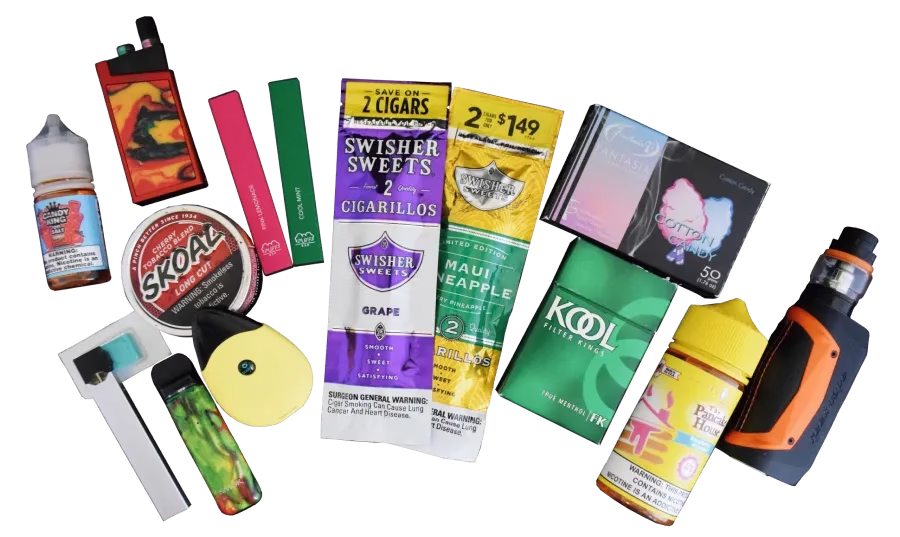
Since the passage of the Family Smoking Prevention and Tobacco Control Act, the FDA has held broad authority to regulate the manufacturing, marketing, and sale of tobacco products in the United States. This landmark legislation extended the agency’s oversight beyond traditional cigarettes to include electronic nicotine delivery systems, cigars, and other emerging product categories. For tobacco product manufacturers, this means that no new product, whether a disposable vape, an e-liquid, or a next-generation heated tobacco device, can legally enter the U.S. market without first securing authorization through a Premarket Tobacco Product Application (PMTA).
Given the scientific, technical, and administrative complexity involved, most companies find that working with an experienced PMTA Consultant is not simply helpful, but essential. The application requirements span toxicology, environmental science, behavioral research, manufacturing documentation, and ongoing post-market obligations. A single missing data set or improperly formatted submission can result in a Refuse to Accept letter, months of delay, or an outright denial. This is where a specialized PMTA Consulting Service like JJCC Group becomes a critical partner rather than an optional resource.
What Sets an FDA PMTA Consultant Apart
Not all regulatory advisors are created equal. An effective FDA PMTA Consultant brings together deep familiarity with FDA guidance documents, hands-on experience assembling successful submissions, and the scientific literacy needed to interpret and respond to agency feedback. At JJCC Group, our team combines Tobacco Regulatory Consulting expertise with direct experience in Premarket Tobacco Product Application development, giving clients a single point of contact for every stage of the process, from early feasibility assessments through post-authorization compliance.
Our approach to PMTA Regulatory Strategy Consulting begins long before a single document is drafted. We evaluate your product’s formulation, intended use, and target population, then map out the specific data packages the FDA will expect to see. This proactive strategy reduces wasted research spend, shortens submission timelines, and significantly improves the odds of a favorable outcome. For companies entering the vape category specifically, our Vape PMTA Consulting services address the unique behavioral and toxicological questions that arise with electronic nicotine delivery systems, including device performance, e-liquid formulation, and aerosol chemistry.
Supporting the Full Spectrum of the Tobacco Industry
The tobacco industry today looks vastly different than it did even a decade ago. Traditional combustible product manufacturers now share the regulatory stage with e-liquid formulators, hardware innovators, and companies developing novel nicotine delivery formats. Regardless of where your business fits within this evolving landscape, the core expectation remains the same: any Tobacco Product Application PMTA filing must demonstrate that authorizing the product would be appropriate for the protection of public health.
JJCC Group works with manufacturers across this full spectrum, tailoring our Tobacco Regulatory Consulting services to the specific risk profile and market position of each client. We understand that a small, independent e-liquid brand faces different resource constraints than a multinational tobacco product manufacturer, and we structure our engagement models accordingly—offering scalable support whether you need comprehensive, end-to-end PMTA development or targeted assistance with a single compliance gap.
Ultimately, our goal as your PMTA Consulting Service is to remove the guesswork from an inherently complex regulatory process. By pairing scientific rigor with practical, business-minded strategy, JJCC Group helps tobacco and vape companies move through FDA review with clarity, confidence, and a stronger likelihood of success.